Guides · 7 min read
Website analytics for beginners: 9 numbers worth watching
New to analytics? These nine metrics tell you who visits your website, how they found it and whether it's working, with tips on reading each one.
By the StaTrak team ·
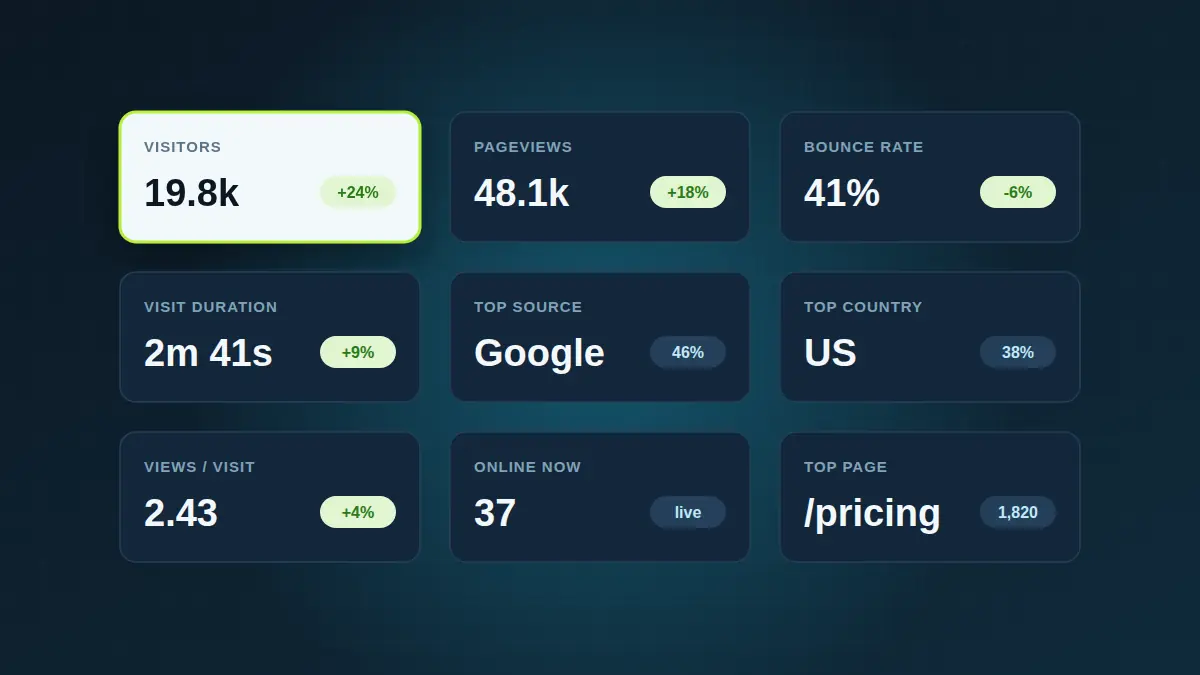
Most analytics tools show you hundreds of numbers. You need about nine. Here's what each one means, how to read it, and what to do when it moves.
1. Unique visitors
How many different people visited in the period. This is your reach. Watch the trend week over week rather than any single day, because weekends and holidays cause natural dips.
2. Pageviews
The total number of pages loaded. If pageviews grow faster than visitors, people are exploring more of your site, which is a good sign.
3. Views per visit
Pageviews divided by visits. Around 1 to 1.5 is typical for blogs, where people read one article. Two or more is common for shops and documentation. If it drops suddenly, check for broken navigation or links.
4. Bounce rate
The share of visits that viewed one page and left. Judge it against the page's purpose: a contact page with a high bounce rate is doing its job, while a landing page with a high bounce rate may need a clearer next step.
5. Visit duration
How long a visit lasts, counted only while the tab is in view. Longer usually means more engaged, but a quick visit that finds the answer is also a success.
6. Top pages
Your most-visited pages. This is often surprising: an old blog post may outperform your homepage. Keep your top pages fresh and link from them to the pages you want people to see next.
7. Sources
Where visitors came from: search engines, social networks, other websites, newsletters, AI assistants like ChatGPT, or direct visits. A rising source shows where your effort pays off.
8. Locations
Countries and cities. Useful for choosing languages, shipping regions, ad targeting and the best time to publish.
9. Search keywords
The searches that led people to you, with clicks, impressions and ranking position. Connect Google Search Console in StaTrak to see them. Keywords ranked between positions 5 and 15 are often the easiest to improve.
What you don't need
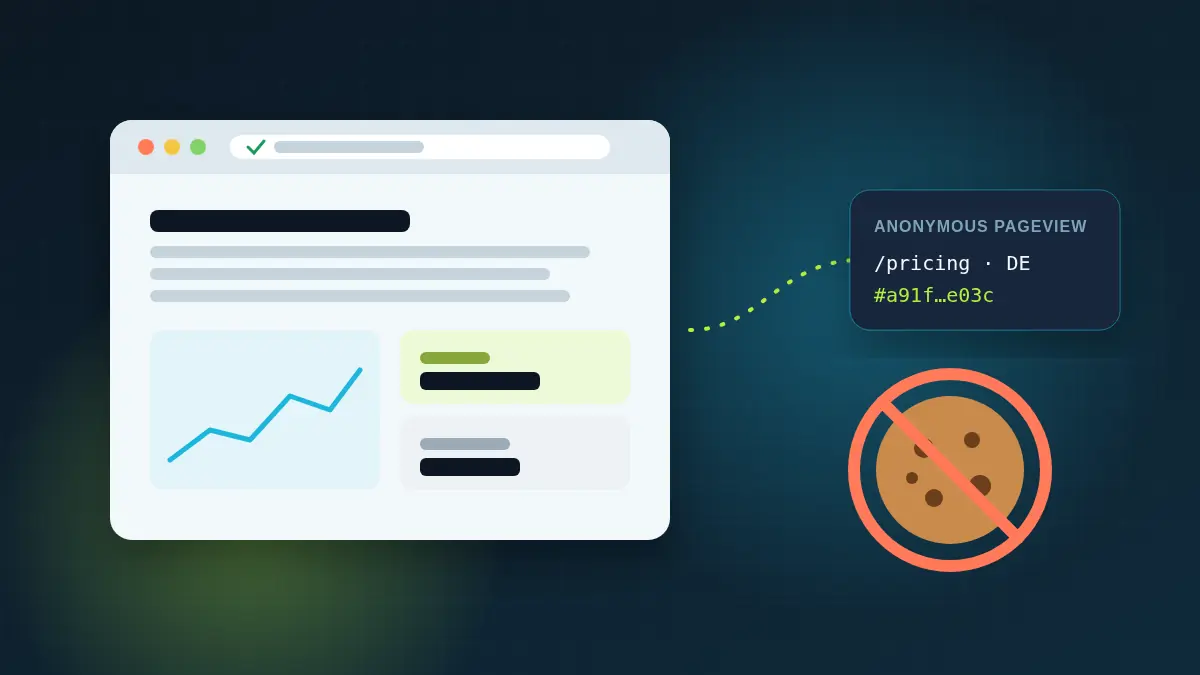
You don't need individual visitor profiles, cross-site tracking or cookies to answer any of the questions above. Aggregated, anonymous numbers are enough to run and grow a website, and they keep your visitors' trust.